When to Call Experts: Top Signs Your Chimney Is Due for Cleaning: Protect Your Home From Fire Hazards
Chimney maintenance is often overlooked, but it holds an essential place in residential safety. Property owners ought to recognize particular warning indicators that signal the necessity for expert cleaning. Bad odors, thick smoke, and creosote deposits represent just a handful of telltale signs. Overlooking these warnings can give rise to considerable dangers. Recognizing these risks and knowing the right time to respond can safeguard both homes and residents. The sections below will examine these important topics in greater detail.
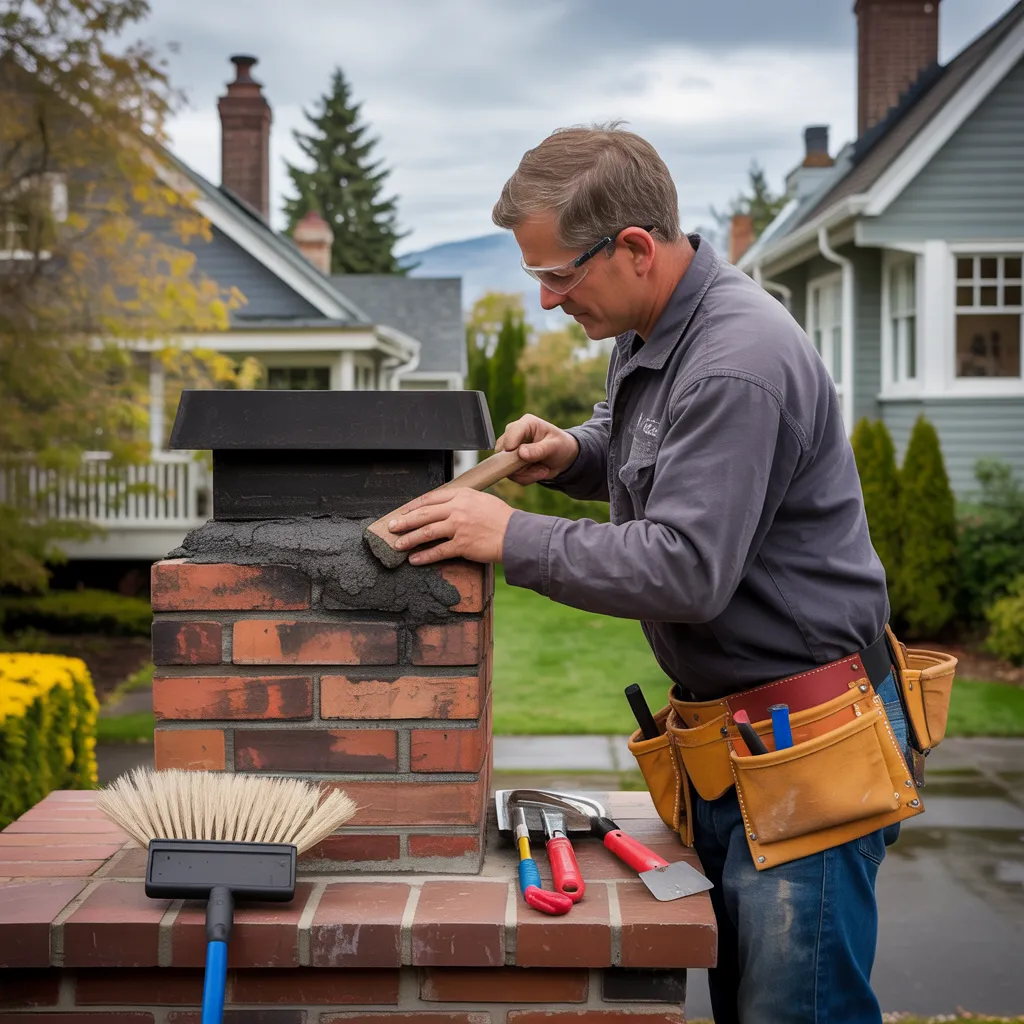
Spotting the Warning Signs of Chimney Neglect
How do homeowners recognize the warning signs of a neglected chimney? There are several important warning signs that homeowners should watch for. A significant warning sign is the presence of creosote buildup, which typically presents itself as a dark, tar-like coating on the interior flue walls. This buildup develops over time with consistent use and requires prompt attention. Homeowners may also detect an unpleasant smell coming from the chimney, indicating that debris or animal nests are obstructing airflow. An additional concern is when excessive smoke enters the living space while a fire is burning, a clear indication of inadequate airflow through the chimney. Structural damage to the chimney, including loose bricks or deteriorating mortar, is another sign of neglect. Furthermore, a missing or damaged chimney cap leaves the chimney vulnerable to moisture infiltration and debris accumulation, weakening its overall structure. Identifying these warning signs early enables homeowners to act quickly and prevent more significant damage from developing.
The Risks of Ignoring Chimney Maintenance
Overlooking chimney upkeep carries substantial risks, most notably in the form of elevated fire risks. The buildup of soot and residue can become a fire source, leading to dangerous chimney fires that threaten entire homes. Additionally, structural damage may occur as degrading materials erode the chimney's structural soundness over the years.
Fire Risks Increased
Over time, the buildup of soot and creosote in a chimney can convert a comfortable fireplace into a potentially dangerous fire risk. Creosote, a byproduct of burning wood, is highly flammable and can ignite, leading to chimney fires that may compromise the entire home. Neglecting regular chimney maintenance increases the risk of debris-related blockages, which can cause harmful smoke and gases to infiltrate living areas, posing significant health hazards. Homeowners often underestimate the importance of keeping their chimneys clean, but even modest deposits can grow into major safety concerns. A detailed examination and cleaning performed by experts can mitigate these risks, ensuring that the fireplace remains a safe source of warmth rather than a looming risk to your household and belongings.
Structural Damage Potential
Ignoring regular chimney maintenance can result in significant structural deterioration in a home. As time passes, creosote accumulation and obstructions can drive smoke and gases to accumulate, resulting in elevated pressure inside the chimney. This pressure can crack or weaken the chimney framework, potentially resulting in substantial repair expenses. Moreover, moisture buildup from precipitation can wear down brick and mortar, progressively compromising the chimney's integrity. A neglected chimney may also enable toxic gases, such as CO gas, to infiltrate living areas, presenting serious health dangers. Routine inspections and cleanings help identify issues early, ensuring the chimney remains structurally sound and safe. Homeowners should make chimney maintenance a priority to defend their investment and protect against significant damage.
Ways to Prevent Chimney Problems
Consistent upkeep can substantially minimize the likelihood of chimney complications. Homeowners ought to schedule routine inspections to detect potential issues in advance, like creosote deposits or damage to the structure. Keeping the surrounding area clear of debris and vegetation can prevent blockages and guarantee proper airflow. Adding a chimney cap can provide extra protection from water infiltration and wildlife nesting, both of which may cause further issues.
It is equally important to use seasoned hardwood for burning, as seasoned hardwood creates significantly less creosote buildup compared to less seasoned or softer wood types. Residents should never burn chemically treated wood or household refuse, as burning such materials can produce dangerous chemicals and elevate the chances of chimney buildup.
Ultimately, ensuring a proper flue size for the fireplace or stove supports efficient combustion and decreases the possibility of smoke reversing into the home. By adopting these protective measures, residents can significantly minimize the probability of chimney-related issues.
How Often Should You Plan Chimney Cleaning?
How frequently should homeowners schedule chimney cleaning to confirm safety and efficiency? Professionals suggest that homeowners get their chimneys examined and cleaned a minimum of once annually, especially if the chimney sees frequent use. This once-a-year servicing works to inhibit the development of creosote, an extremely combustible material that presents a serious fire risk.
For homeowners who rely on their fireplaces regularly, particularly during the colder months, more frequent cleanings may be necessary. Homeowners should also consider factors like the fuel type utilized and the overall age of the chimney. If a chimney is used primarily for wood burning, more frequent inspections may be prudent due to the increased risk of creosote accumulation.
Moreover, residents should watch for indications of buildup or damage, which may call for additional cleanings. In the end, preventive upkeep establishes a safe and efficient fireplace, decreasing fire dangers and strengthening the overall safety of the home.
What Occurs During a Chimney Cleaning?
During a chimney cleaning, skilled technicians thoroughly assess and address any buildup within the chimney system. This process generally starts with an initial visual inspection to identify signs of creosote deposits, clogs, or damage to the structure. With the help of professional equipment, the chimney specialist proceeds to eliminate soot, creosote, and debris, promoting unrestricted airflow while lowering fire-related risks.
The cleaning process typically involves brushes, vacuums, and other equipment designed to effectively eliminate buildup. Technicians may also check the flue liner and chimney cap to ensure proper operation and structural integrity. Upon completion of the cleaning, professionals frequently deliver suggestions for upkeep or corrective repairs when problems are detected.
Finally, a thorough post-service inspection ensures that the chimney is ready for safe operation, and the technician can supply guidance on the frequency of future cleaning sessions. This comprehensive approach ensures the chimney performs at peak safety and efficiency, safeguarding the home against possible fire hazards.
Finding Qualified Chimney Cleaning Professionals
To find trustworthy professionals, homeowners can gather referrals from family, friends, or nearby hardware stores. Customer reviews and ratings on websites like Yelp, Google, or similar platforms can provide insights into client experiences. It is advisable to ask for insurance documentation and references before finalizing a choice.
Additionally, gathering multiple quotes can help homeowners evaluate appropriate pricing and examine the expertise of multiple companies. At the end of the day, enlisting professional chimney cleaners not only guarantees comprehensive cleaning but also defends against potential fire hazards, improving the complete safety of the residence.

Common Questions and Answers
Am I Able to Clean My Own Chimney?
Self-cleaning a chimney can be done, but it necessitates knowledge, proper tools, and safety precautions. Many homeowners opt for professional services to secure a complete cleaning and eliminate dangers that may arise from improper upkeep.
How Much Does Professional Chimney Cleaning Cost?
Hiring a professional explore the facts chimney cleaner generally runs between $100 and $300, depending on factors like accessibility, geographic location, and the state of the chimney. Homeowners are encouraged to account for these fees when preparing for regular maintenance and ensuring their chimney operates safely.
What Tools Are Needed for Chimney Cleaning?
Chimney cleaning requires specific tools including a specialized chimney brush, extendable rods, a vacuum to collect debris, a drop cloth to protect surroundings, and safety gear like protective goggles and gloves to ensure a thorough and safe cleaning experience.
Are There Specific Weather Conditions for Chimney Cleaning?
Chimney cleaning works best in clear, moderate weather. Precipitation such as rain or snow can create challenges, while harsh temperatures can reduce the efficiency of cleaning equipment. Sunny, open skies ensure optimal conditions for complete upkeep and safe practice.
How Can I Identify a Qualified Chimney Expert?
To identify a certified chimney expert, one should search for credentials from trusted organizations, examine online ratings, request references, verify insurance coverage, and confirm the professional has extensive experience in chimney upkeep and cleaning.